Celebrated musical theatre historian Robert W. Schneider announces the release of his new book, Queer Musicals: From Boy Meets Boy to Jagged Little Pill, set to be published on September 18, 2025, through Methuen Drama. This new book explores the musicals that validated, and advanced, queer representation in musical theatre. This book offers readers a fresh perspective on LGBTQIA+ theatre history and is perfect for fans of Broadway and queer artistry.
The book explores the history of LGBTQIA+ representation in musical theatre through the lens of 10 shows from 1975 through 2020: Boy Meets Boy, La Cage Aux Folles, The Knife, Falsettos, Hedwig and the Angry Inch, bare, Kinky Boots, Fun Home, The Prom, and Jagged Little Pill.
“Artists who identify as queer have always been active behind the scenes of Broadway, but it is only within the past few decades that the lives of queer characters have been front and center on New York stages,” said Schneider. “This new book celebrates the trajectory of queer representation in modern musical theatre and will allow readers to celebrate the unsung heroes who dared to embrace their queerness and move the needle closer towards acceptance through art."
Playbill was able to chat with Schneider about his book and get personal insight into this specific moment in the storyline of queer theatre.

We often feel like it is our responsibility as the older generation to educate the younger about the journey of queer community and how representation has changed. Do you feel that different generations are responding to these works in different ways?
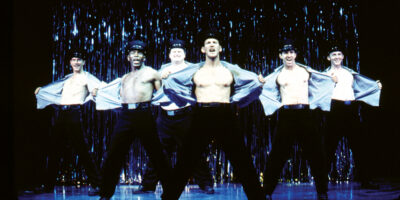
Schneider: I do feel that various generations have different reactions to a piece of work. For example, La Cage Aux Folles, which was the first Broadway musical to put a gay couple front and center is still looked at by many of the elder generation as being groundbreaking. But some in the current generation see it as antiquated and are confused as to why the original leads were not only straight actors but why they never kissed during the show.
On the flip side, the younger generation was quite passionate about the casting controversies surrounding representation in Jagged Little Pill while many in the older generation could not see why this was an issue at all. What I hope the book shows that there are two sides to every story and no matter how you feel about these stories, and the artists who create them, that you cannot deny their importance to advancing queer representation.
During the AIDS epidemic, we lost so many creatives who did not have the opportunity to continue their craft. Is there a theatre maker that you wish could have given us more?
The artist that immediately comes to mind is Michael Bennett. Within 10 years he revolutionized the way a Broadway musical could be staged with A Chorus Line and Dreamgirls. You must sadly wonder how much further musical theatre could have gone, in both terms of what stories we tell and how we tell them, had he lived longer. And that’s only one artist whose talents were given a chance to shine before their passing. Imagine the other unknown individuals who would have had an equal, or greater, impact had they not been taken from us so soon.
Which queer musical, in terms of quality and storytelling, surprised you the most while you were making this book?
The musical that surprised me the most was a show that very few people remember and that is The Knife, a Public Theater musical that explored the life of a transgender person. The show wanted to enlighten audiences about the fact that transgender individuals have always existed and that their stories needed to be told and respected. Unfortunately, the show’s execution was poor, and the critics pounced on it, with some of the most transphobic commentaries I have ever seen for queer work. To this day, we still have not had a Broadway musical that puts a trans story front and center. Ironically, The Knife was just used as a punchline in the musical Smash.
What do you hope the reader will walk away with upon finishing this book?
I hope readers will take a way a few things. The first being that today it is so easy to forget how hard it was for queer stories to be told and that they are many unsung straight allies who also risked their lives and careers to help this community and that should be acknowledged. For example, Barry and Fran Weissler, who never once walked away from producing Falsettos on Broadway. I also hope readers will realize that in the 50-year span from 1975 with Boy Meets Boy to now, there are many more aspects of queer life that deserve to be told. I hope a reader will be so inspired that they help foster those new stories, whether as its creator or as its advocate.