For many artists, a Broadway debut is a banner moment—the culmination of years of hard work, dedication, and rejection. That is why it’s a cause for celebration, especially when that Broadway debut utterly knocks the socks off of anyone who witnesses it. After revealing Playbill’s picks for the 15 best shows of 2025, we’re turning our attention to individual artists.
In a year of many memorable Broadway debuts, ranging from A-listers like George Clooney and Keanu Reeves, to artists at the exciting beginning of their careers, below are 10 artists whose work we’re still buzzing about months later.

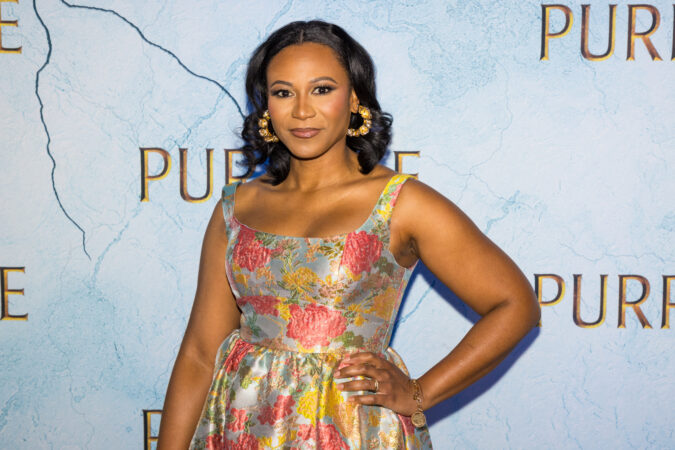
Alana Arenas in Purpose
I cannot express to you the level of gasps heard when the Playbill editorial staff realized that Alana Arenas had become the sole cast member in Purpose to not get a Tony Award nomination. Far be it for me to take issue with the decisions of our beloved Tony Awards Nominating Committee (lol jk, I always have notes—with love, admiration, and all due respect, of course). But Arenas was most certainly a Playbill Award nominee for her Broadway debut performance as the beleaguered Morgan. Because of said beleagueredness, the role had Arenas spending much of the Branden Jacobs-Jenkins play’s runtime offstage. But when Arenas was onstage, you were paying attention to her, whether she was dropping uncomfortable truth bombs or hilariously shoving cake in her mouth. It was a performance that really exemplified that old adage that there are no small parts—you can steal an entire show without needing to be onstage the entire time. Arenas is a mostly Chicago-based actor (Purpose started at Steppenwolf Theatre Company), but we’re definitely hoping she finds her way back to Broadway lots more! —Logan Culwell-Block

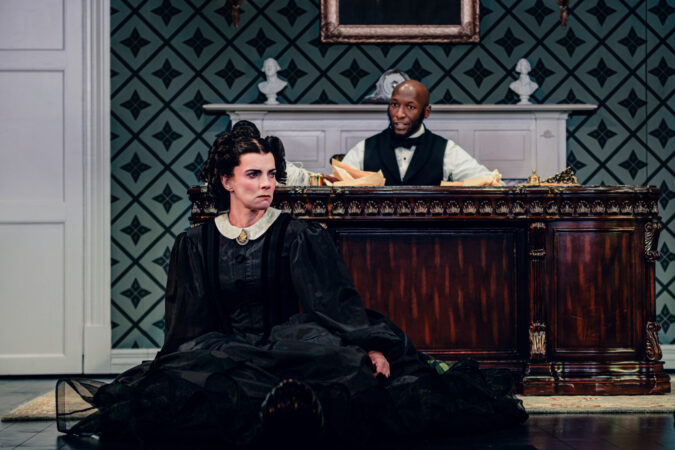
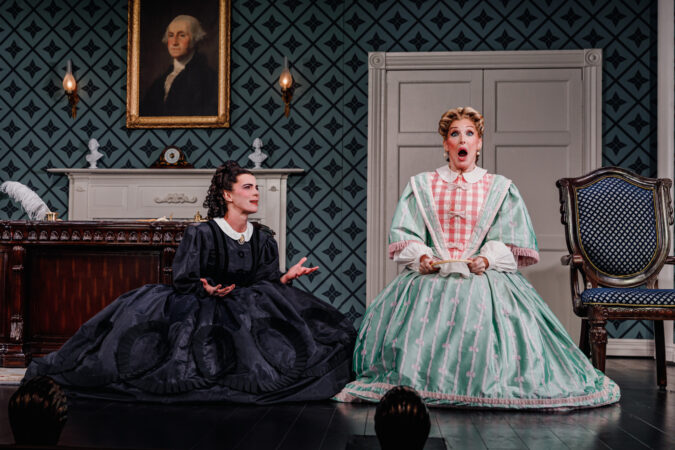
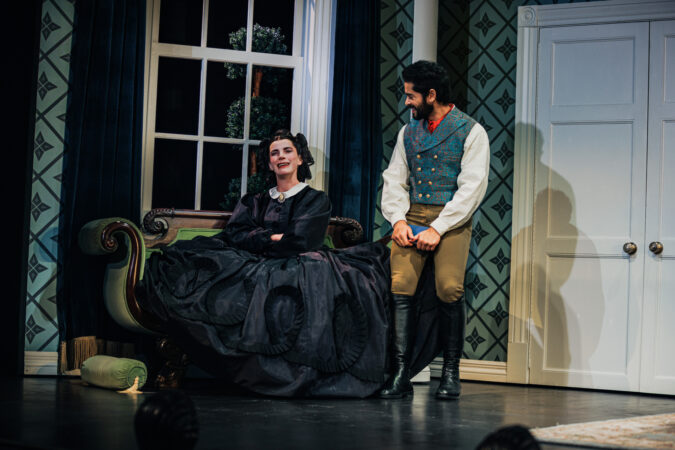
Betty Gilpin in Oh, Mary!
When it became time for Cole Escola to leave the bratty curls of Oh, Mary! behind them after so expertly creating the character for the play’s Off-Broadway and Broadway premieres, all eyes were on who would be the first to take over the role. When writers perform their own work, it’s easy to come away from it thinking that’s the only way the work should ever be done, especially when the performance is as hilarious and unique as Escola’s. So color my surprise when the answer to Escola’s first replacement ended up being Betty Gilpin, a name I sadly was not familiar with prior (I didn’t watch Glow—sorry!). Oh, Mary! had been such a buzzy hit, and they no doubt had their share of huge comedy names waiting in line to play the role (as evidenced by the roster of stars who have joined the show since). Gilpin was such an unexpected choice. Then I saw her onstage, and I understood everything. She was funny, yes, but Gilpin’s strength in the role was how much she committed to making it real. Escola’s play is, by their own description, deeply stupid. Gilpin took it incredibly seriously—I think she was actively crying physical tears from her eyes for at least 90 percent of the performance I saw. But that only made it funnier. Taking the comedy seriously was a concept that Escola and director Sam Pinkleton were already onto, and a big part of what made and makes Oh, Mary! so magical. But I think Gilpin took things to a whole other level. Having interviewed both Escola and Pinkleton about it and read much of what they’ve said to other outlets (I’m a bit of an Oh, Mary! fan, he said as a massive understatement), it feels like Gilpin unlocked something about the play and role for them. Escola’s own performance was surprisingly honed when they returned a few months later; perhaps it was newly infused with the spirit of what Gilpin discovered in the role. I may not have been familiar with Gilpin before Oh, Mary!, but I certainly am now—and I’d love to have her back on Broadway any time! (And not for nothing, I must give a massive shout out to Henry Russell Bergstein; the casting of this production has just been immaculate. No notes. No crumbs!) —Logan Culwell-Block

Jak Malone in Operation Mincemeat
It is rare to make a debut on Broadway; it is even rarer to win a Tony Award for it. Especially after you had already won the Olivier Award for the same performance. But like Nicole Scherzinger, who managed the same feat, Jak Malone’s portrayal of secretary Hester Leggatt in Operation Mincemeat is truly one for the books. As Hester, Malone gives a show-stopping performance in a song that isn’t about vocal acrobatics. “Dear Bill” is an exercise in how restraint can be revelatory—though Hester is singing as if she were a character in a romance, the song peels back the layers about a woman who has spent her life so in the service of others that she had rarely allowed herself a moment to reflect. And Malone gives a quietly dignified performance, illuminating not only one unsung hero, but also hearkening to the many women whose invisible labor helped change the course of history. It’s even more remarkable that Malone is a cis man who also plays machismo-filled male side characters in the same musical—his ability to understand that gender is truly remarkable while portraying Hester with humanity, without falling into easy spinster stereotypes…if more men were like Malone, the world would be a better place. —Diep Tran

Jasmine Amy Rogers in BOOP! The Musical
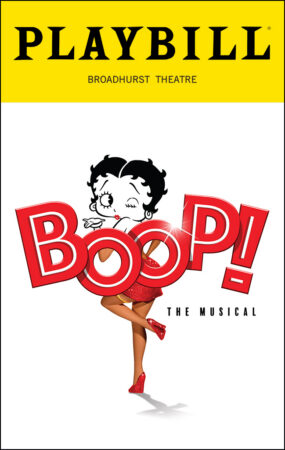
Watching Jasmine Amy Rogers make her Broadway debut in Boop! last spring is the greatest “a star is born” moment I have witnessed in my time in the theatre industry thus far. I have been admittedly growing tired of new musicals that are built off of existing properties (movies, cartoon characters, etc…), so Boop! was not something I expected to love. On its own, the musical impressed by how much excitement, fresh perspective, and novelty it brought to a nearly century-old character. But with Jasmine Amy Rogers as the titular Betty Boop, it became one of my favorite musicals of the year. Her showstopping vocals, charming comedic timing, and acting chops, and the way she was able to bring a two-dimensional figure to three-dimensional life with such humanity—it’s a performance I will remember for decades to come. And to follow that with a hilarious, yet heartbreaking performance as Olive Ostrovsky in the currently running The 25th Annual Putnam County Spelling Bee…years from now, when Rogers probably has five Tonys and has totally taken over show business, we’ll be able to say we loved her from the start. —Meg Masseron

Jordan Harrison, Playwright of Marjorie Prime
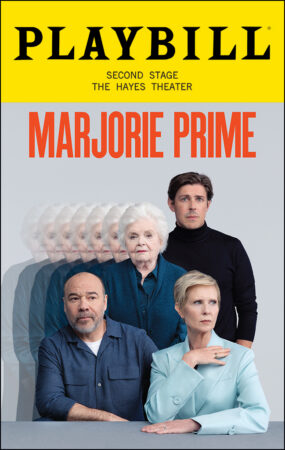
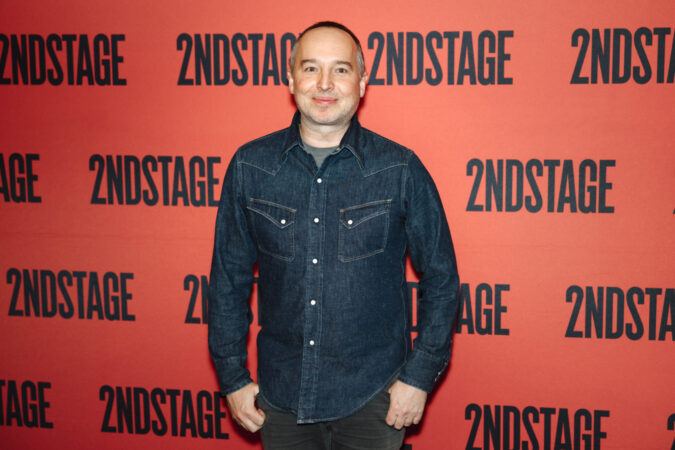
One of my goals for 2026 is to hear as few “What Ifs” about the insidious, mycelium-like spread of artificial intelligence as possible. What's most frustrating to me is the implication that AI will usurp living, breathing, feeling human beings in the arts (as actors, writers, editors, etc). So, when Second Stage Theater announced that Jordan Harrison’s Marjorie Prime was Broadway-bound (with living, breathing legend June Squibb in the title role) I prepared my talking points for the inevitable “Can AI Replace Grandma?” debate. (I am obviously on the side of letting eternally sleeping grandmas lie.) Boy was I pleasantly surprised when AI was the least compelling (and certainly least intelligent) character in Harrison’s touching drama about the continuum of grief. Marjorie Prime is an elegant examination about self-preservation and liberation from sorrow. As octogenarian Marjorie begins to lose her memory, her son-in-law John (a heart-wrenchingly hopeful Danny Burstein) trains a replica of her deceased husband (Christopher Lowell) to act as Marjorie’s companion, jogging memories as simple as the long-since-passed family dog frolicking in the sand. But the true heartbreak (and ethical question) of the play is the way Marjorie’s daughter Tess (Cynthia Nixon is so back!) tiptoes around any trigger of a family tragedy, arguing instead that her mother’s failing memory is the relief she’s awaited from a decades-long grief at the death of her son. Harrison’s play is all intelligence. No artifice detected! The way he unravels his characters, in their desperation, their unrelenting sadness, while peppering in tenderness, humility, and humor (I cried and I laughed!) is a feat. For this to be his Broadway debut gave me hope that commercial theatre can weather the technocratic storm. Harrison is a sharp case for protecting the person behind the play. —Dylan Parent

Kimberly Belflower, Playwright of John Proctor Is the Villain
To get a play to Broadway is one thing. But to get a play to Broadway and have it be a critical and commercial hit that also entices a whole new generation to the theatre? Well, playwright Kimberly Belflower is a magician. While much attention was paid to star Sadie Sink, who led John Proctor and helped pique audience interest, Belflower’s play provided the all-important cauldron that allowed that alchemy of performance, work, and audience to happen. While the play could have been an easy takedown of The Crucible, it was a relief for me to realize that Arthur Miller factors very little in it (thank God). Instead, Belflower uses The Crucible to explore what it is to be a teenage girl today, from how equally perceptive yet naive they are, to their passionate love and rivalry with each other. It doesn't talk down to teenage audiences—instead it makes the adults in the room understand teenagers on their level. John Proctor may be Belflower’s first play in New York, but if theatres were smart, they’d be knocking down her door for more. And I can't wait to see how John Proctor translates to the silver screen. For getting younger audiences to the theatre, Belflower should be crowned the Queen Bee of Broadway. —Diep Tran

Orville Peck in Cabaret
I have seen many productions of Cabaret over the years, but the 2024 revival breathed a distinctly whimsical and volatile new life into the musical. This production invited bold reinterpretations of its classic characters, and none veered more in a different direction than Orville Peck’s turn as the Emcee. The third performer to inhabit the role in the recent revival, Peck fused his roots in punk and country music to create a smeared-eyelinered outlaw—part demented ringmaster, part Lone Ranger. His towering physicality and raw emotional scale dominated the August Wilson Theatre, filling the space with an unsettling charisma that felt both theatrical and feral. If rumors of a musical featuring Peck’s songs are true, let’s hope we’ll get to see Peck maskless and on a Broadway stage much more in the future. —Meredith Ammons

Sam Tutty in Two Strangers (Carry a Cake Across New York)
There’s something special about Sam Tutty. Is it his earnest, almost childlike excitement at being on Broadway and in New York’s theatre scene for the first time? What makes his arrival so thrilling isn’t volume or flash, but precision: the way he lets sincerity do the heavy lifting while comedy sneaks in through the side door, perfectly timed and never begged for. There’s an intelligence to his performance in Two Strangers that critics and audiences alike have clocked. Tutty brings an emotional transparency that never tips into sentimentality, grounding a whimsical premise with real curiosity, empathy, and a generosity toward his scene partner that makes the entire production feel more authentic because he’s in it—every choice is playful and deeply considered. He’s also just…funny, but not in a wink-at-the-balcony way; it’s the kind of humor that comes from observation, from listening, from trusting stillness. Broadway is crowded with talent, but it is made brighter when there are people who feel most like themselves onstage. Tutty’s debut lands as one of the year’s best because it doesn’t announce itself as a debut at all; it feels like the arrival of someone who already knows exactly who he is. —Jeffrey Vizcaíno

Sanaz Toossi, Playwright of English
Sanaz Toossi’s Broadway debut with English feels exhilarating precisely because it introduces a voice that sounds unmistakably new while carrying the weight of lived experience that Broadway has too often sidelined. She doesn’t write from the margins looking in, she writes from the center of her own authority, shaping a theatrical language that feels intellectually alert, emotionally curious, and refreshingly uninterested in explaining itself for comfort. What makes her arrival so bracing is how naturally her perspective expands the scope of what Broadway stories can hold. It’s not just a statement; it’s a fact of her presence. She brings with her a sensibility attuned to power, displacement, humor, and ambition, and she threads those ideas into character-driven storytelling that feels generous rather than polemical. There’s a particular thrill in watching a playwright claim space without spectacle, trusting that clarity of thought and depth of feeling are more than enough. Toossi’s debut feels long overdue, not because Broadway lacked talent, but because it needed this kind of intelligence. A writer who understands identity as texture rather than thesis, and reminds us how thrilling it can be when a writer expands the room simply by walking into it and writing exactly as herself. —Jeffrey Vizcaíno

Sarah Snook in The Picture of Dorian Gray
The Picture of Dorian Gray was one of the most technically impressive Broadway performances I have ever seen, and the fact that it was Sarah Snook’s Broadway debut is astounding. Snook brought 26 distinct characters to life in Kip Williams’ adaptation of the Oscar Wilde classic, and it was undeniable that each and every one was uniquely lived in and shaped. Through the use of extensive digital screens, careful costuming, and numerous wigs (including a decadently coiffed pompadour)—Wilde’s range of characters tested the limits of what one body can become over the course of an evening. While Snook was the only performer on stage throughout the evening, she was hardly alone. Fractured images of herself were projected on screens—both captured live and pre-recorded, some captured through cine-cameras, others through a smartphone. It created an inescapable hall of mirrors, a continuance of the self as it spirals out of control, and Snook rode the wave with a raw willingness to flay herself open before our very eyes. It was a true tour-de-force, the kind of performance I will be thinking about for decades to come, and one of the most deserved Tony wins of the last 25 years. —Margaret Hall


Purpose
Alana Arenas

Alana Arenas and Jon Michael Hill in Purpose

LaTanya Richardson Jackson, Jon Michael Hill, Glenn Davis, and Alana Arenas in Purpose

Alana Arenas and Kara Young in Purpose

Oh, Mary!

Betty Gilpin
Betty Gilpin and Phillip James Brannon in Oh, Mary!
Betty Gilpin and Bianca Leigh in Oh, Mary!
Betty Gilpin and Chris Renfro in Oh, Mary!

Operation Mincemeat

Jak Malone

Company of Operation Mincemeat
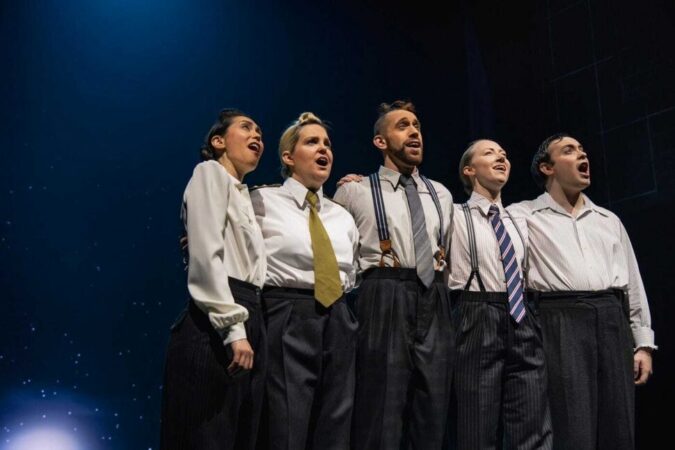
Claire-Marie Hall, Zoë Roberts, David Cumming, Natasha Hodgson, and Jak Malone

Company of Operation Mincemeat
Boop! The Musical

Jasmine Amy Rogers

Jasmine Amy Rogers and company of Boop! The Musical

Jasmine Amy Rogers and Phillip Huber in Boop! The Musical

Ainsley Melham and Jasmine Amy Rogers and company of Boop! The Musical
Marjorie Prime
Jordan Harrison
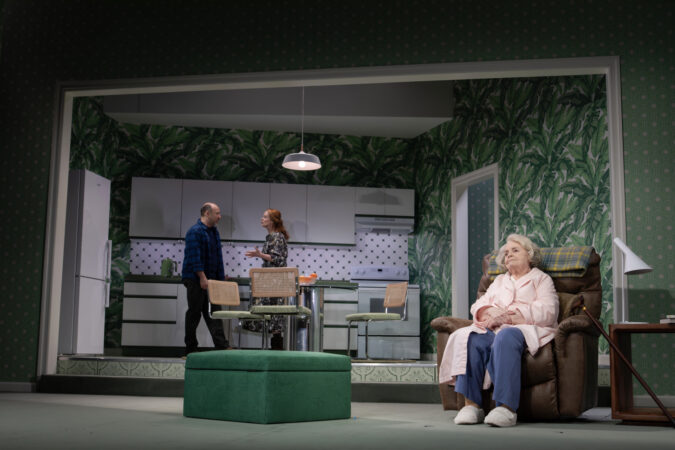
Danny Burstein, Cynthia Nixon, and June Squibb in Marjorie Prime

Christopher Lowell in Marjorie Prime

June Squibb and Cynthia Nixon in Marjorie Prime

John Proctor is the Villian

Kimberly Belflower photographed at the Times Square EDITION

Company of John Proctor is the Villain

Sadie Sink and company of John Proctor is the Villain

Gabriel Ebert and Molly Griggs in John Proctor is the Villain

Cabaret at the Kit Kat Club
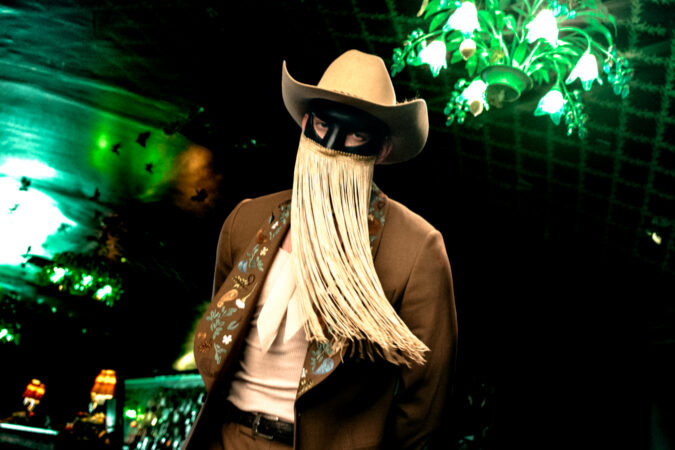
Orville Peck

Orville Peck in Cabaret
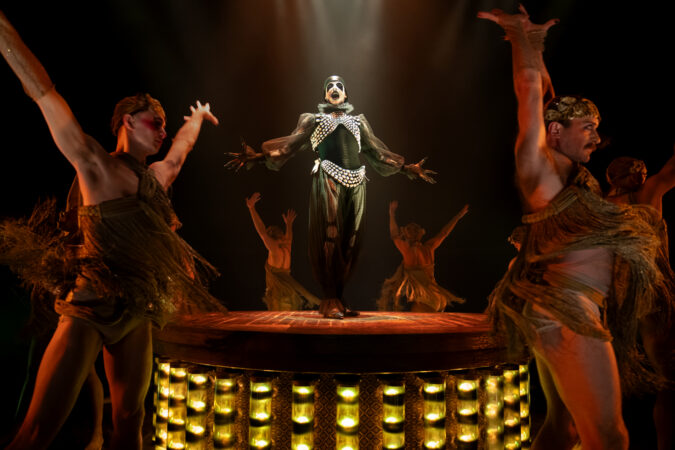
Orville Peck and company of Cabaret
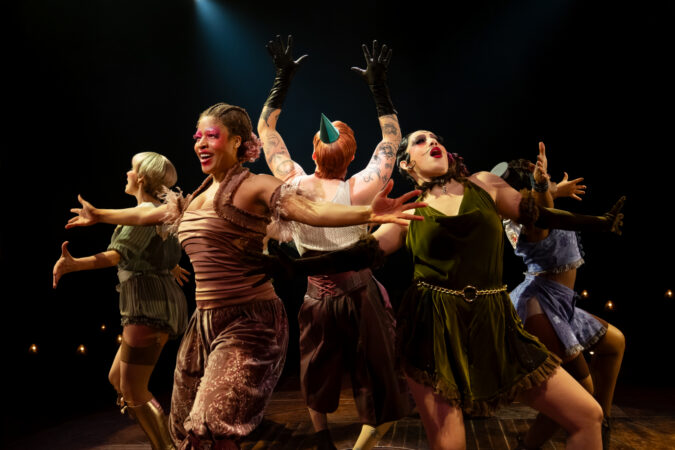
Orville Peck and company of Cabaret

Two Strangers (Carry A Cake Across New York)

Sam Tutty

Sam Tutty and Christiani Pitts in Two Strangers (Carry a Cake Across New York)

Sam Tutty and Christiani Pitts in Two Strangers (Carry a Cake Across New York)
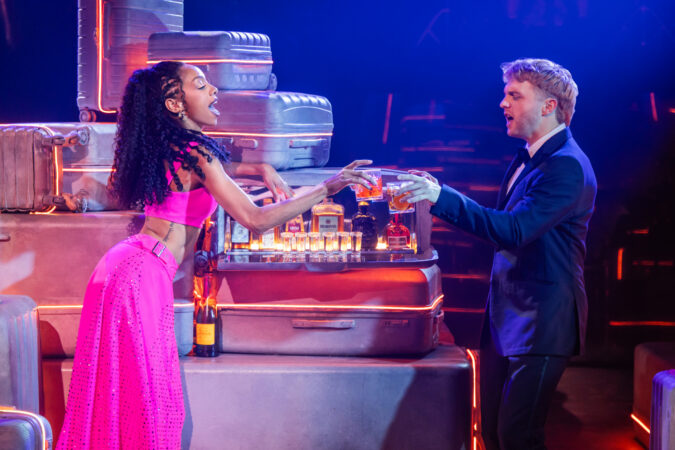
Christiani Pitts and Sam Tutty in Two Strangers (Carry a Cake Across New York)

English

Sanaz Toossi

Tala Ashe, Hadi Tabbal, Ava Lalezarzadeh, Marjan Neshat, and Pooya
Mohseni in English on Broadway

Hadi Tabbal and Marjan Neshat

Hadi Tabbal and Marjan Neshat

The Picture of Dorian Gray
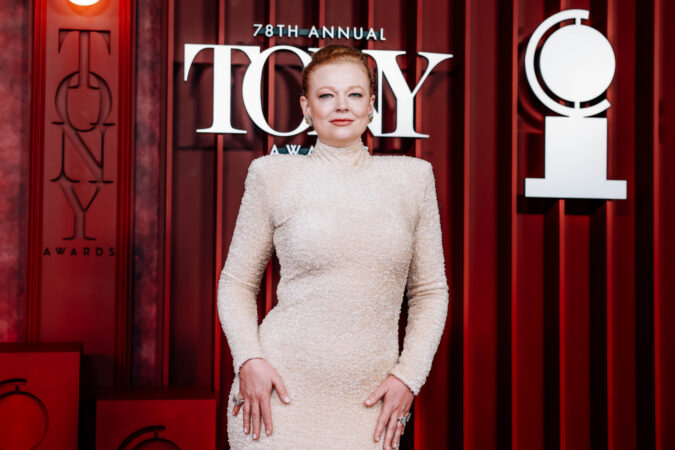
Sarah Snook

Sarah Snook in The Picture of Dorian Gray
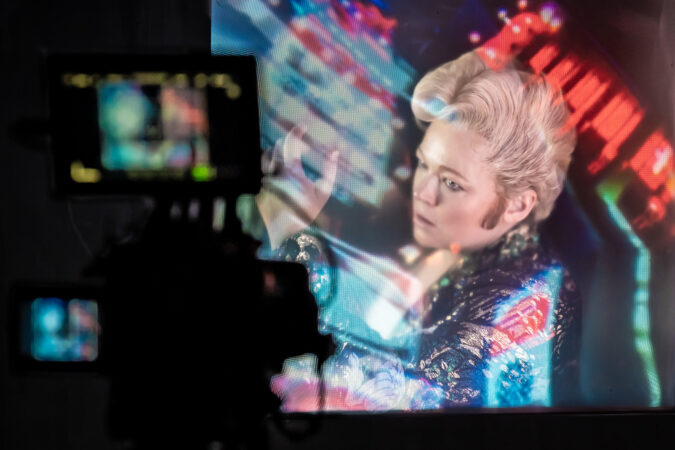
Sarah Snook in The Picture of Dorian Gray
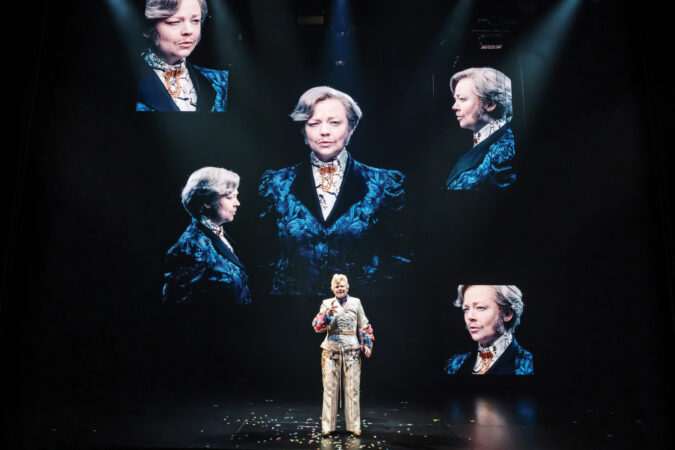
Sarah Snook in The Picture of Dorian Gray